Collecting Pokémon cards today is bigger than ever. Whether you’re a competitive player, investor, or someone who enjoys the nostalgia of opening packs, you’ve probably asked yourself the same question most collectors face at some point:
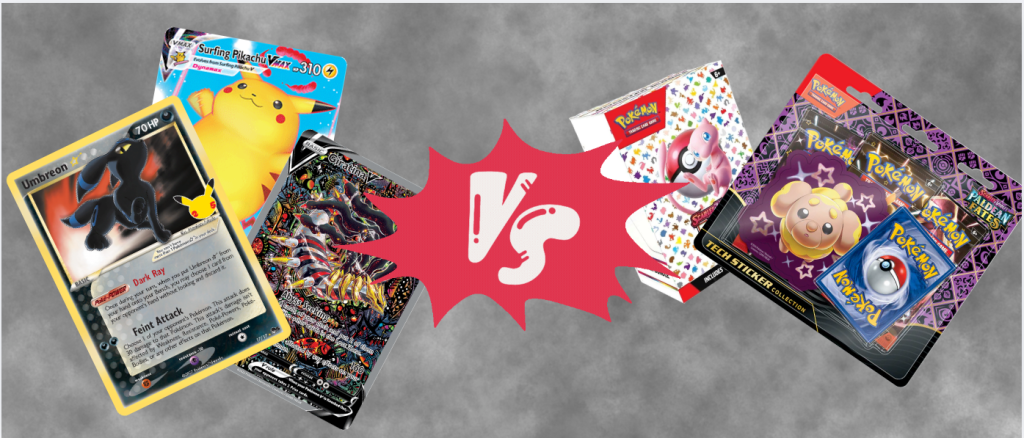
Should you buy singles or sealed product?
It’s one of the most important decisions in the hobby, and choosing wisely can save you hundreds or help you grow an impressive collection. Both approaches have benefits and drawbacks, and the right answer depends on your goals, your budget, and whether you collect for fun, investment, or both.
Along with that question comes another crucial one:
How much should you pay for Pokémon cards, and how do you know whether the price is fair?
Understanding the difference between market value and fair value is essential if you want to avoid overpaying or losing money during hype spikes or sudden reprints.
In this guide, we’ll break down everything you need to know to make smart buying decisions, including the pros and cons of both options, when it makes sense to buy sealed, when it makes more sense to buy singles, and how to confidently determine what a card is truly worth.
Why Buy Sealed Product?
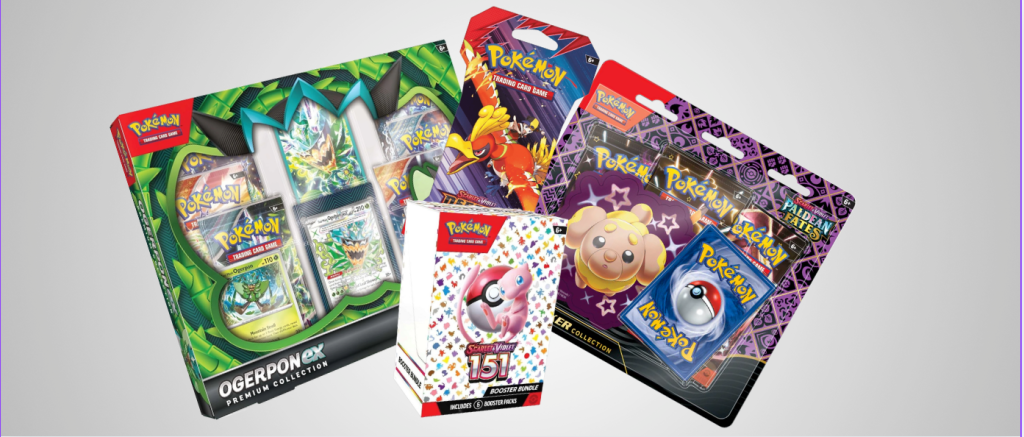
Sealed product refers to items that are unopened and in their original factory packaging. This includes booster packs, booster boxes, Elite Trainer Boxes (ETBs), tins, blister packs, and specialty premium collections.
People buy sealed product for many different reasons. For some, it’s about the excitement and experience of opening packs. For others, sealed product is viewed as a long-term investment that tends to appreciate over time, especially once a set goes out of print.
Browse our sealed products crazycardaddict.com
Pros of Buying Sealed Product
One of the biggest advantages of sealed product is the thrill of the pull. Opening packs is unpredictable and always exciting because there’s a chance to pull a high-value chase card. That emotional experience is something singles can’t replace.
Another benefit is long-term investment potential. Many older sealed boxes from sets like XY Evolutions, Hidden Fates, or Sun & Moon Team Up have doubled or even tripled in price after going out of print. Collectors love sealed displays because they represent a piece of Pokémon history that becomes increasingly scarce over time. Trusted seller
Sealed product is also great if you’re building a deck from scratch or need bulk cards. Opening physical packs provides variety, energy cards, and trainer cards without needing to search for every individual piece.
Cons of Buying Sealed Product
The biggest downside is risk. Buying sealed products is essentially gambling. You could spend $150 on a booster box and walk away with only $30–40 worth of value. While the excitement might be worth it to some collectors, others may find it financially painful.
A sealed product also requires a higher upfront cost. A booster box often ranges from $100–$150 for modern sets, and premium collections can be even more expensive.
Additionally, sealed products are affected by reprints, which can dramatically lower prices. A set might be worth $200 one month and drop to $120 the next because of new supply entering the market.
Why buy Single cards?
Browse our Single Cards crazycardaddict.com
Pros of Buying Singles
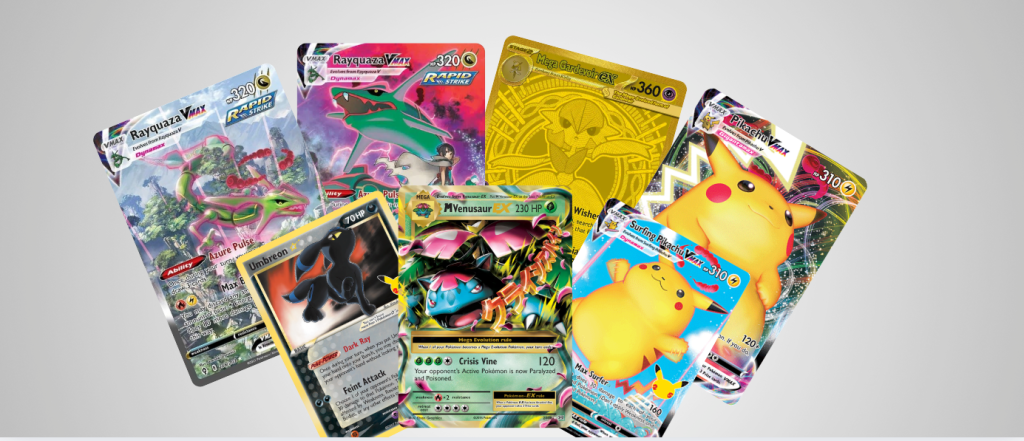
Buying singles ensures you get exactly what you want. If you’re chasing a card like Charizard ex, Iono Supporter, or a gold rarity trainer card, buying singles prevents you from wasting money hoping to pull it.
Singles are also the most cost-effective option. For example, why spend $200 opening product trying to pull a card worth $40 when you can simply buy the card for $40?
Singles are excellent for building competitive decks. Competitive players need specific cards, not random filler, so singles allow them to avoid randomness and start playing faster.
Cons of Buying Singles
Purchasing singles lacks the excitement that sealed opening provides. There’s no thrill of discovery, just a straightforward purchase.
Singles can also be expensive depending on rarity, popularity, and grading condition. Chase cards from brand-new sets can temporarily inflate in price, especially during early hype.
If you don’t research before buying, you may accidentally overpay, especially if a card is about to drop due to restocks or reprints.
Should You Buy Singles or Sealed Product?
So what is the right choice? The answer depends entirely on your purpose in collecting. Use these guiding questions:
Buy Sealed Product If:
- You enjoy opening packs and the mystery of potential high-value pulls
- You want to invest long-term in sealed collectibles
- You are opening with friends, family, or at events
- You want a chance to pull multiple cards from one product
- You want variety and bulk for play or trading
Buy Singles If:
- You want a specific card
- You’re building a competitive deck
- You’re on a budget and want maximum value
- You’re working toward set completion
- You dislike losing money on misses.
How Much Should You Pay for Pokémon Cards? Understanding Market Value vs. Fair Value
Every card has two values you should understand:
Market Value
Market value is the current price a card is selling for at the moment. These prices fluctuate daily and are influenced by hype, competitive play, rarity, pull rates, and availability.
Fair Value
Fair value is what a card is realistically worth long-term after hype fades. This value is based on historical price behavior, popularity, and actual supply vs. demand.
Why Most Buyers Overpay
Many collectors buy cards at peak hype because they fear missing out. For example, when a set first releases, chase cards often sell for absurdly high prices because supply is limited. Weeks or months later, prices stabilize and drop significantly.
Smart Pricing Strategy
To avoid overpaying:
- Track prices over time
- Wait 30–60 days after release to buy singles
- Use multiple marketplaces for comparison
- Factor in condition, grading, and fees
If a raw single sells between $40–$45 consistently, and someone charges $70, that isn’t fair value it’s inflated.
So What Should You Do as a Collector?
The best collectors understand that both methods have value when used strategically. If your passion comes from opening sealed packs, there is nothing wrong with investing in the experience. The excitement of a pull is one of the reasons the hobby exists.
However, if you care about building value efficiently, singles will almost always make more financial sense.
A balanced approach many successful collectors use is:
- Buy sealed product for long-term investment or fun openings
- Buy singles for competitive play and targeted collecting
- Track prices to avoid buying during hype waves
Start Your Collection
So should you buy singles or sealed products? It depends on your goals:
If you’re looking for excitement and investment potential, sealed products are a great choice. If you want efficiency, set completion, or competitive play, singles are the smarter buy. And when it comes to pricing, understanding market value versus fair value will help you avoid overspending and collect with confidence.
In the end, Pokémon collecting should be enjoyable—whether you’re ripping packs, hunting specific cards, or building a collection you’re proud of. Collect what you love, spend wisely, and make the hobby work for you.
[Ready to start your collection? Explore our full selection of sealed products and single cards at Crazy Card Addict today!]