Pokémon cards have captured the hearts of collectors and investors alike for over two decades. From nostalgic childhood favorites to rare tournament prizes, some cards have reached unbelievable prices, turning a hobby into a serious investment.
Whether you’re a collector hunting for your personal holy grail or just curious about the most valuable Pokémon cards ever sold, this guide breaks down the top 10 rarest and most expensive cards, complete with stories, PSA grades, and historical significance.
Table of Contents
- How Pokémon Cards Are Valued
- How to Identify Rare Pokémon Cards
- Top 10 Most Expensive Pokémon Cards
- Why Are Pokémon Cards Worth So Much?
- FAQs About Pokémon Card Value
How Pokémon Cards Are Valued
The value of a Pokémon card depends on three main factors:
- Scarcity – Limited print runs, tournament prizes, and prototypes make certain cards extremely rare.
- Nostalgia – For many collectors, Pokémon cards are a nostalgic connection to childhood memories.
- Condition – Cards graded PSA 10 (Gem Mint) are worth exponentially more than lower-grade versions.
Other factors, like misprints, artist signatures, and market trends, can also significantly impact value.
How to Identify Rare Pokémon Cards
Recognizing rare cards is essential for any serious collector. Here’s what to look for:
Rarity Symbols
Cards often feature symbols indicating their rarity level:
- Circle: Common
- Diamond: Uncommon
- Star: Rare
Modern cards also use:
- Double Star: Double Rare
- Double White Star: Ultra Rare
- Single Gold Star: Illustration Rare
- Double Gold Star: Special Illustration Rare
- Triple Gold Star: Hyper Rare
Special Features to Look For
- Secret Rares: Cards with collector numbers higher than the set total (e.g., 151/149)
- Misprints: Production errors that increase collectibility
- Signed cards: Artist signatures add significant value
- Promotional releases: Limited distribution promos
- Tournament trophies: Exclusive prize cards
Top 10 Most Expensive Pokémon Cards Ever Sold
| Rank | Card Name | Release Year | PSA Grade | Value |
|---|---|---|---|---|
| 1 | Pikachu Illustrator | 1998 | PSA 10 | $5,275,000 |
| 2 | 1st Edition Shadowless Charizard | 1999 | PSA 10 | $400,000+ |
| 3 | Blastoise Presentation Card | 1998 | N/A | $360,000 |
| 4 | Charizard Topsun Blue Back | 1997 | PSA 10 | $493,230 |
| 5 | Commissioned Blastoise Galaxy Star Holo | 1998 | N/A | $360,000 |
| 6 | Trophy Pikachu No.2, Silver 2nd Place | 1998 | N/A | $440,000 |
| 7 | Trophy Pikachu No.3, Bronze 3rd Place | 1997 | N/A | $300,000 |
| 8 | Snap Pikachu Promo | 1999 | N/A | $270,000 |
| 9 | Tsunekazu Ishihara Signed Promo | 2017 | N/A | $247,230 |
| 10 | Signed Charizard “Misprint” | 1996 | N/A | $324,000 |
1. Pikachu Illustrator – $5,275,000

The holy grail of Pokémon cards, only 39 copies were ever produced as prizes for a 1998 art competition in Japan. The card, featuring Pikachu holding drawing tools, was designed by Atsuko Nishida, the original Pikachu artist.
In 2022, Logan Paul famously purchased a PSA 10 copy for $5.275 million, cementing its status as the most valuable Pokémon card ever sold. Its extreme rarity, pristine condition, and cultural significance make it virtually unbeatable.
2. 1st Edition Shadowless Charizard (PSA 10) – $400,000+
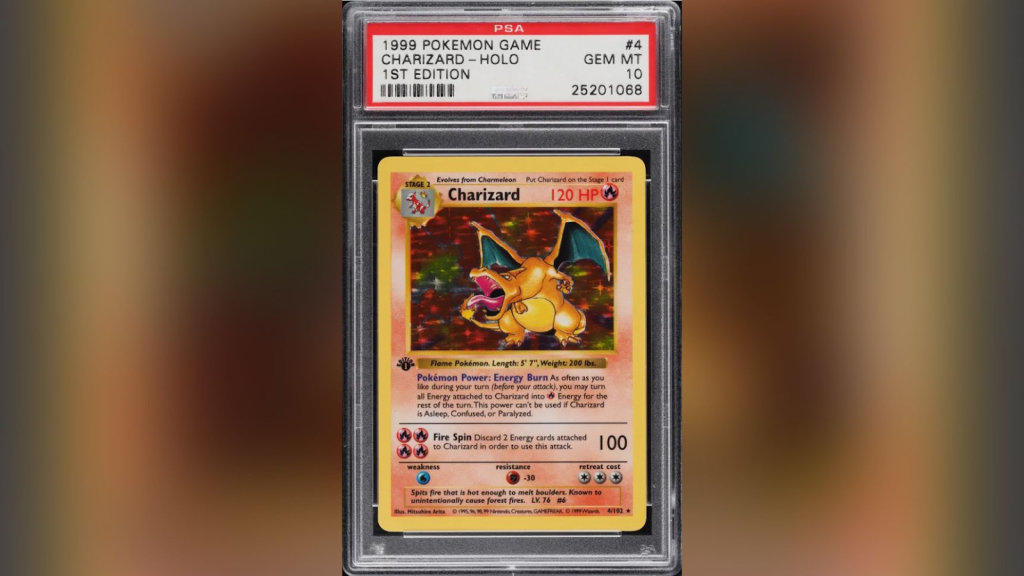
Few cards inspire as much nostalgia as the Shadowless Charizard from the original 1999 Base Set. Its lack of a shadow along the Pokémon image box marks it as part of the earliest print run. PSA 10 versions have sold for over $400,000, making it a symbol of childhood memories and collector prestige.
3. Blastoise Presentation Card – Around $360,000
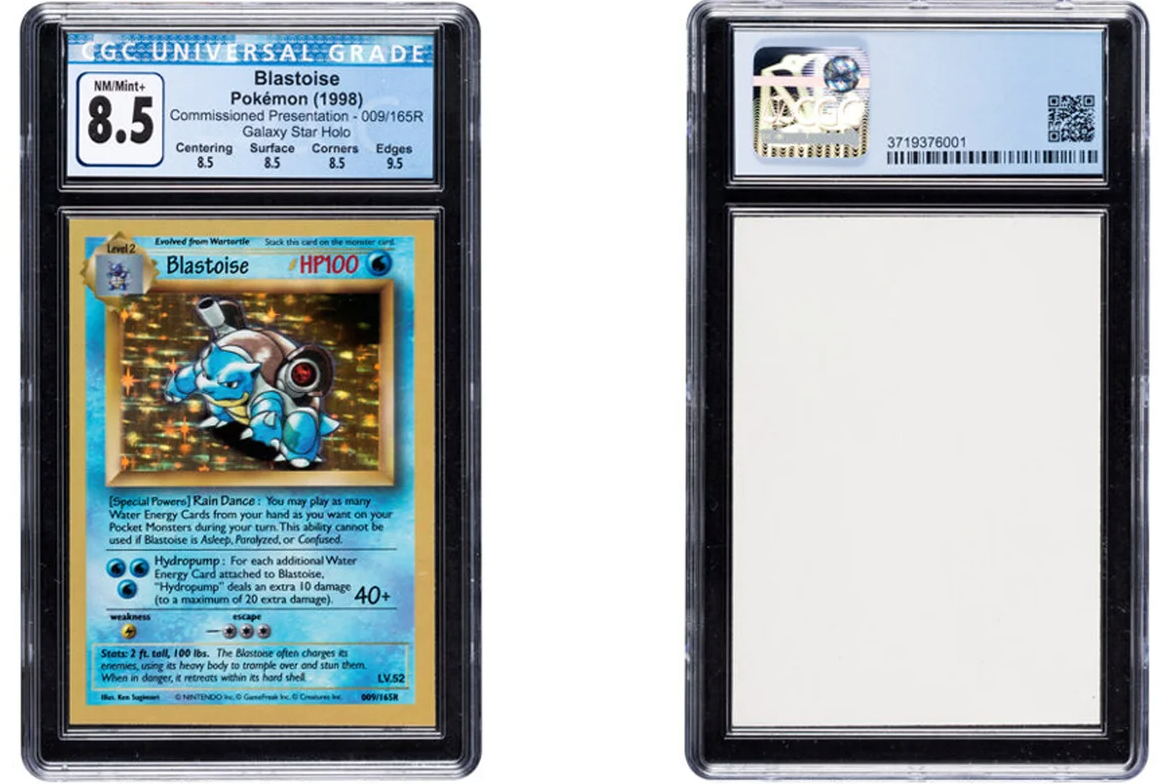
Created in 1998 by Wizards of the Coast as a pre-release prototype, only two Blastoise presentation cards are known to exist. One even has a blank back since it was intended only for internal display. Its rarity and historical significance make it one of the most coveted Pokémon cards ever.
4. Charizard Topsun Blue Back – $493,230
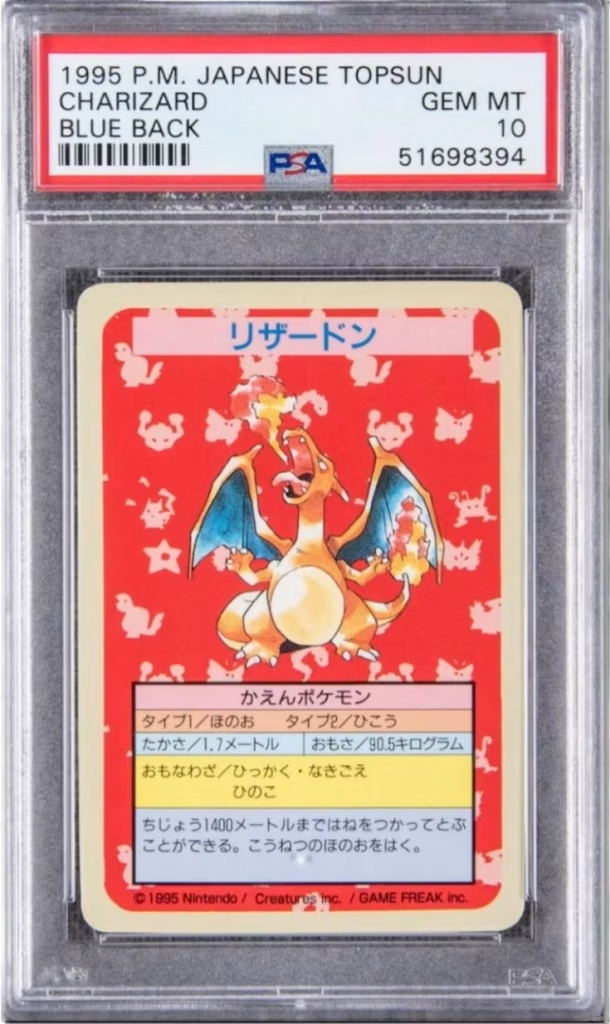
This promotional card, originally distributed with chewing gum in Japan, is extremely rare and highly collectible. Its perfect PSA 10 grade and historical significance as a Topsun predecessor to WOTC contribute to its staggering value.
5. Commissioned Blastoise Galaxy Star Holo – $360,000
A unique, one-off card, possibly a promotional or test print, the Blastoise Galaxy Star Holo remains mysterious in origin. Only a few copies exist, making it a prized addition for collectors who value exclusivity and historical Pokémon artifacts.
6. Trophy Pikachu No.2, Silver 2nd Place – $440,000
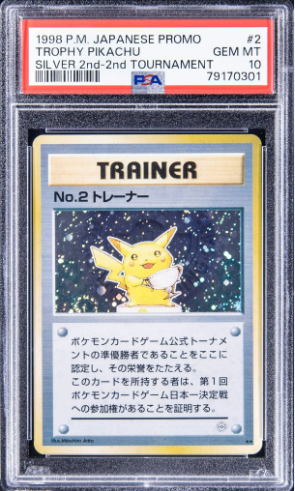
Awarded to second-place winners of the second Pokémon tournament in 1998, this card is both a trophy and a collector’s dream. Its scarcity and tournament legacy make it highly sought after.
7. Trophy Pikachu No.3, Bronze 3rd Place – $300,000
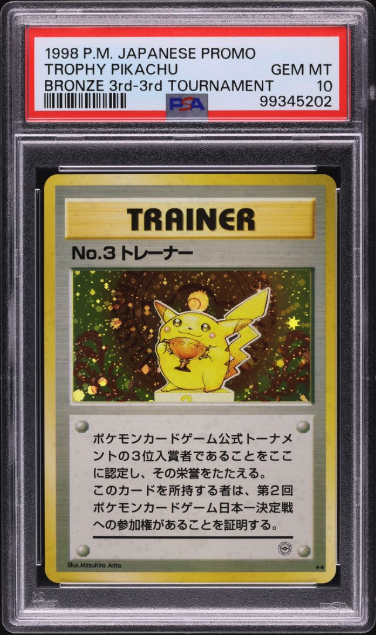
Given to third-place winners in the first-ever Pokémon tournament, this card’s historical significance drives its value. PSA grading can further increase its worth.
8. Snap Pikachu Promo – $270,000
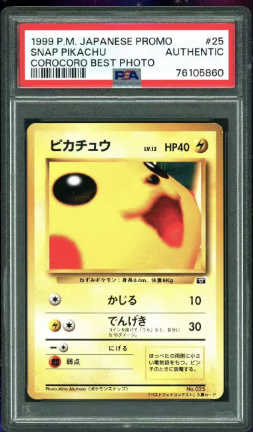
Released in Japan to promote the Pokémon Snap video game, this card was purchased for $270,000 by influencer Dubsy. Its limited print and promotional use make it a rare collectible.
9. Tsunekazu Ishihara Signed Promo – $247,230
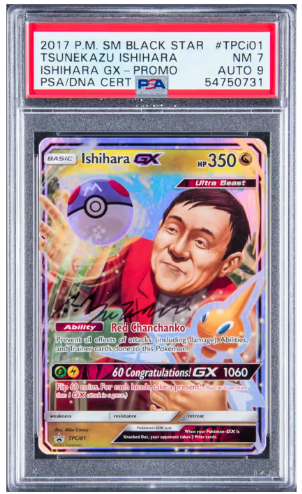
Given to Pokémon employees in 2017 to celebrate the founder’s 60th birthday, this card’s signature adds value instead of devaluing it, making it highly collectible.
10. Signed Charizard “Misprint” – $324,000
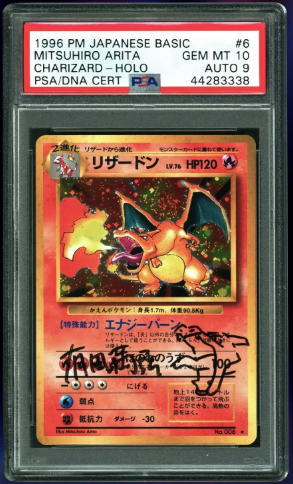
A test run first-edition Charizard signed by artist Mitsuhiro Arita. Its misprint, rarity, and signature make it one of the most fascinating Pokémon cards for collectors.
Why Are Pokémon Cards Worth So Much?
- Scarcity: Limited print runs, tournament prizes, and prototypes are extremely rare.
- Nostalgia: Pokémon connects generations of fans to their childhood.
- Condition: PSA 10 cards sell for 10–20× more than lower-grade copies.
- Cultural Impact: Cards like Pikachu Illustrator and Shadowless Charizard are pop culture icons.
FAQs About Pokémon Card Value
Q1: What is the holy grail of Pokémon cards?
A: The Pikachu Illustrator is considered the ultimate collectible due to rarity, condition, and cultural significance.
Q2: How do PSA grades affect card value?
A: Cards graded PSA 10 (Gem Mint) can sell for 10–20× more than PSA 9 versions.
Q3: Should I use toploaders or magnetic cases?
A: For your most valuable cards, magnetic cases are recommended for long-term protection.
Q4: Which Pokémon sets have the best pull rates?
A: Popular sets include Crown Zenith, Paldean Fates, Scarlet & Violet, Pokémon 151, Obsidian Flames, and Temporal Forces.
Final Thoughts
Collecting Pokémon cards is about more than just monetary value — it’s a connection to childhood, history, and the thrill of the hunt. Whether you’re chasing the Pikachu Illustrator or a Shadowless Charizard, knowing rarity, PSA grade, and card history is key to making smart investments and enjoying the hobby.
Start your journey wisely, protect your cards, and you might just hold a piece of Pokémon history in your hands.