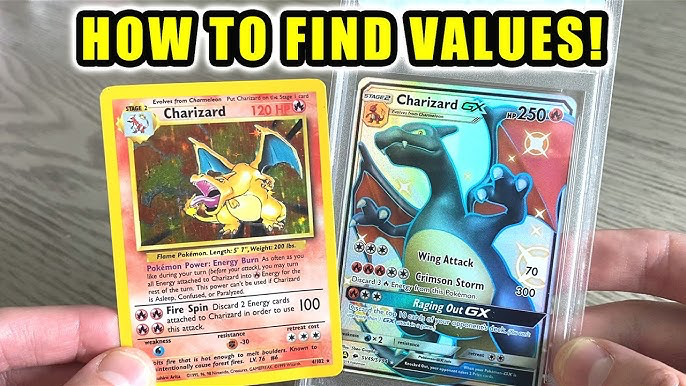
Did you know some Pokémon cards have sold for over $100,000? While most cards from your childhood collection might be worth just a few dollars, certain rare Pokémon cards can fetch life-changing amounts of money. The challenge is knowing which ones actually hold value.
Not every holographic card is valuable, and not every old card is rare. Understanding what makes Pokémon cards worth money can help you identify hidden treasures in your collection and make smarter decisions when buying or selling.
Factors That Make Pokémon Cards Valuable
Several key factors determine whether a card is worth $5 or $5,000. Understanding these elements helps you evaluate any card’s potential value.
Rarity and Limited Availability
First edition cards from early sets command premium prices because fewer were printed. The small “1st Edition” stamp means the card came from the initial production run—before Pokémon became a global phenomenon.
Shadowless cards from the Base Set are worth significantly more than their unlimited counterparts. These early prints lack the shadow effect around the illustration border and represent the earliest English Pokémon cards.
Limited print runs create scarcity. Tournament prize cards, special promotional releases, and cards distributed at specific events often had tiny production numbers, making them incredibly rare today.
Condition and Professional Grading
A card’s condition dramatically affects its value. The difference between a worn card and a mint condition card can be thousands of dollars.
PSA (Professional Sports Authenticator) and Beckett are the most trusted grading companies. They authenticate cards and assign grades from 1 to 10, with 10 being gem mint—virtually perfect.
A PSA 10 first edition Charizard sells for exponentially more than the same card in PSA 7 condition. Collectors pay premium prices for cards that look like they just came from a booster pack.
Age and Vintage Status
Base Set, Jungle, and Fossil cards from 1999-2000 represent the original era of Pokémon cards. These vintage sets hold nostalgic value and historical significance that newer cards simply can’t match.
Older doesn’t always mean more valuable, but cards from the first few years of Pokémon tend to be more collectible than recent releases.
Character Popularity
Charizard dominates the valuable card market. This fan-favorite Pokémon appears in many of the hobby’s most expensive cards. Collectors pay premium prices for Charizard in any rare variant.
Pikachu, as Pokémon’s mascot, also commands high prices for rare versions. Other popular Pokémon like Blastoise, Mewtwo, and legendary Pokémon from early sets also carry higher values.
Market Demand and Trends
The Pokémon card market fluctuates based on nostalgia waves, celebrity collectors, and viral auction results. Understanding current market trends helps you time purchases and sales strategically.
Top Valuable Pokémon Cards of All Time
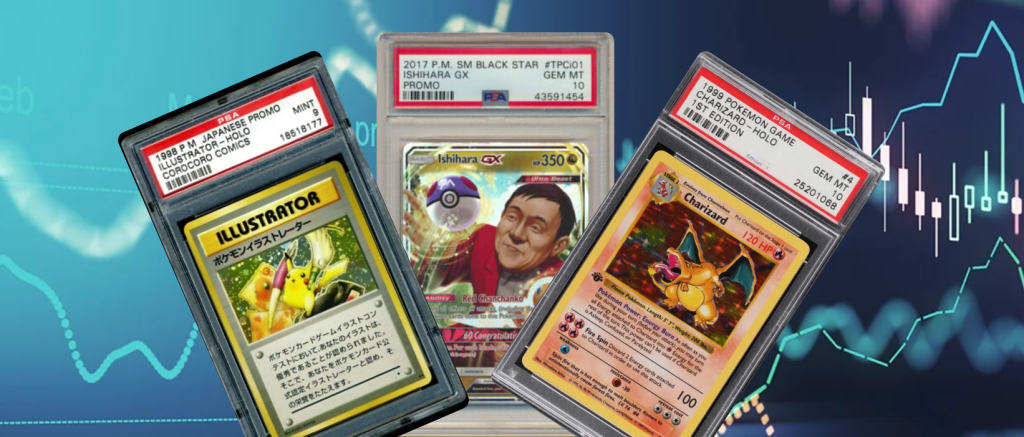
Pikachu Illustrator
The holy grail of Pokémon cards. Only 39 copies were awarded to illustration contest winners in Japan in 1998. This promotional card has sold for over $5 million at auction, making it the most expensive Pokémon card ever.
What makes it valuable? Extreme rarity, iconic character, historical significance, and the fact that it was never available in booster packs.
1st Edition Shadowless Charizard (Base Set)
The card everyone asks about. A PSA 10 version sold for over $420,000. Even lower-grade versions fetch thousands.
Why it’s valuable: First edition, shadowless variant, most popular Pokémon, and pristine condition examples are extremely rare.
Tropical Mega Battle Tournament Cards
These prize cards from the 1999 tournament in Hawaii are among the rarest Pokémon cards. Only a handful of participants received them, making them highly collectible.
Gold Star Pokémon Cards
Released in 2004-2007, these cards feature rare holographic Pokémon with a gold star symbol. Limited print runs and unique artwork make them highly sought after, with some exceeding $10,000.
Categories of Valuable Cards
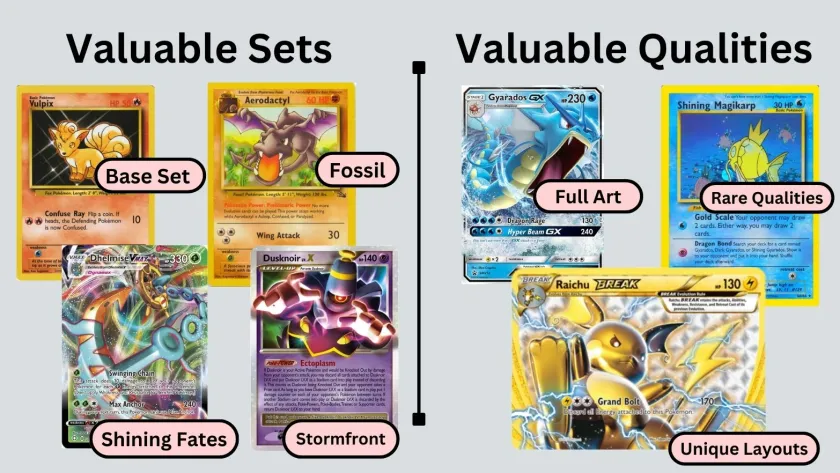
First Edition Cards
Cards with the “1st Edition” stamp from Base Set through Neo Destiny are generally more valuable than unlimited versions. The value difference can be 2-10 times higher for popular cards in good condition.
Value range: $5 to $500,000+ depending on card and condition.
Holographic and Shadowless Cards
Holographic rare cards from early sets command premium prices. Shadowless holos from Base Set are especially valuable—even commons and uncommons from shadowless print runs are worth more than normal versions.
Value range: $20 to $10,000+ for top cards in excellent condition.
Tournament and Promotional Cards
Cards given as tournament prizes or promotional items often have extremely limited distribution. Trophy cards, regional championship cards, and special event promos can be worth thousands.
Value range: $100 to $50,000+ for the rarest tournament cards.
Error and Misprint Cards
Manufacturing errors create valuable variations. Examples include missing energy symbols, wrong artwork, or incorrect text. Not all misprints are valuable—it depends on how noticeable the error is and whether collectors find it interesting.
Value range: $10 to $5,000+ for confirmed, collectible errors.
Show Image
How to Identify Valuable Cards in Your Collection
Follow these steps to evaluate your Pokémon cards systematically:
Check the Edition
Look at the left side of the card, below the artwork. A “1st Edition” stamp significantly increases value for cards from older sets. Also check if Base Set cards are shadowless—these lack the shadow border around the image.
Examine the Set Symbol
The symbol on the right side tells you which set the card is from. Base Set, Jungle, and Fossil cards (1999-2000) are generally more valuable than recent releases.
Assess Condition Carefully
Check corners for whitening, examine edges for damage, look for scratches on the holographic surface, and verify centering. Even minor flaws can cut value in half.
Research Current Market Values
Use TCGPlayer, eBay sold listings, and PSA price tracking to see what your cards actually sell for. Don’t rely on asking prices—check completed sales.
Compare your card’s condition honestly to listings. Most raw cards are not “mint” condition, even if they look good to you.
Watch for Counterfeits
Fake valuable Pokémon cards flood the market. Red flags include incorrect fonts, wrong coloring, poor card stock quality, and suspicious holograms.
When in doubt, compare your card side-by-side with confirmed authentic examples online. For expensive cards, professional authentication is worth the investment.
Market Trends and Investment Considerations
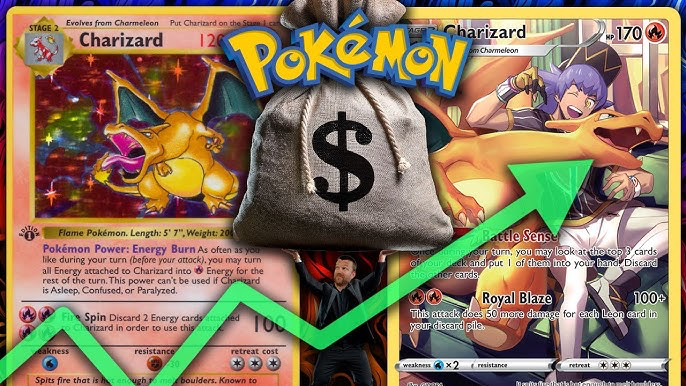
Value Fluctuations
Prices surged between 2020-2022 as nostalgia-driven millennials returned to collecting. Some cards have since corrected from peak prices, while others continue climbing.
Vintage cards from early sets tend to hold value better than modern releases. However, certain modern cards with extremely low print runs can appreciate significantly.
Investment Risks
Counterfeits are the biggest risk. As prices rise, so does incentive for scammers to produce fake cards.
Market volatility means today’s hot card might cool off next year. Don’t invest money you can’t afford to lose.
Condition sensitivity means small flaws can drastically reduce value. Professional grading helps but costs money.
Smart Buying and Selling
Buy from reputable sellers with strong feedback and authentication guarantees. For expensive cards, consider only PSA or Beckett graded examples.
for card value analysis and follow Crazy Card Addict on Instagram for daily updates.
Frequently Asked Questions
What is the most valuable Pokémon card? The Pikachu Illustrator card holds the record, selling for over $5 million. For accessible cards, PSA 10 first edition Charizards exceed $400,000.
Do modern Pokémon cards have value? Yes, but differently. Modern cards rarely match vintage values, but certain ultra-rare variants and tournament prizes from recent sets can be worth hundreds or thousands.
Does grading really increase card value? Professional grading increases value for cards worth $50 or more in raw condition. A PSA 10 grade can double or triple value, but grading costs money and lower grades might decrease marketability.
Start Your Valuable Card Hunt Today
Understanding what Pokémon cards are worth money transforms collecting from casual nostalgia into strategic treasure hunting. Rarity, condition, age, character popularity, and market demand all determine value.
Check your collection carefully—you might be sitting on cards worth serious money. Focus on first editions, holographics from early sets, and promotional cards.Ready to discover your collection’s true value? Visit Crazy Card Addict for expert authentication, fair pricing, and guidance on building a valuable collection. Subscribe to our newsletter for weekly market updates and exclusive collecting tips!